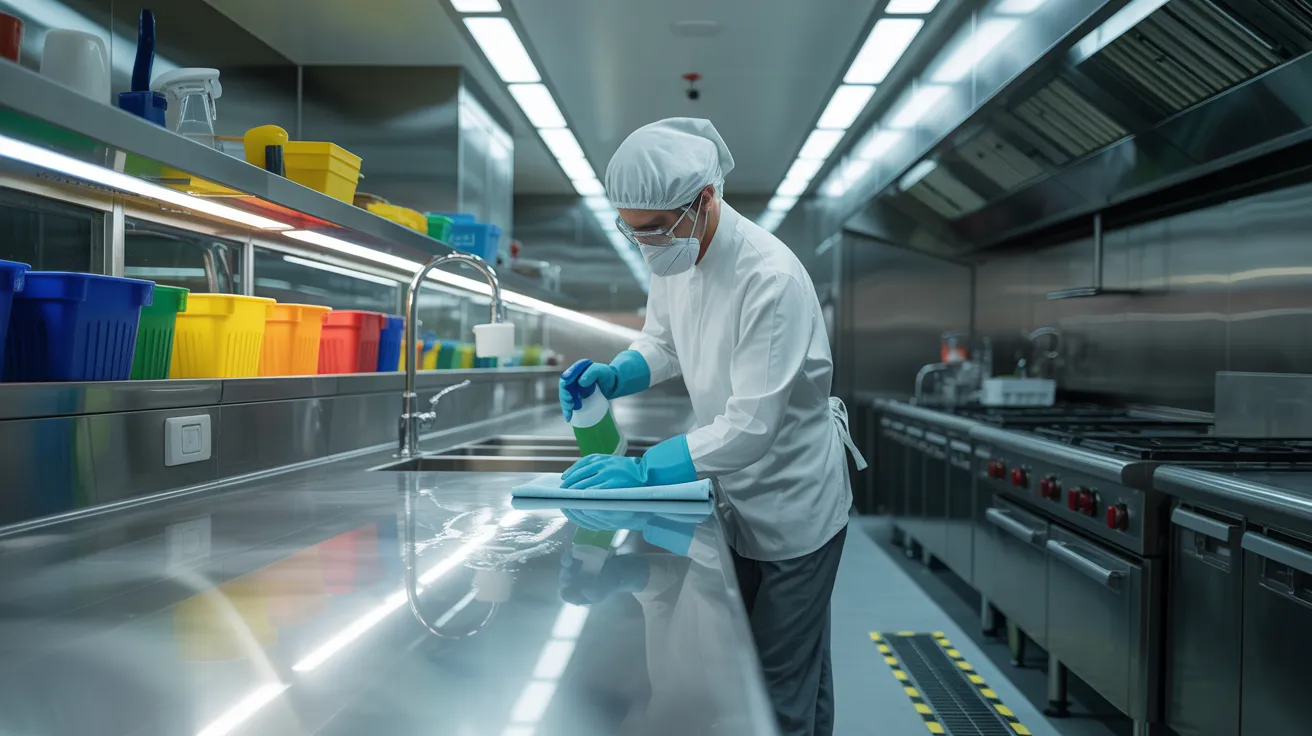
Professional sanitation and food hygiene professionals in Brampton assist restaurants, food centers, baking facilities, warehouses, and food service operations staying compliant. They sanitize high-contact points, food contact areas, equipment, floors, drains, restrooms, and food handling spaces with approved chemicals, at correct dilution, and documenting contact times. You need scheduled cleaning based on hazard level, volume, food allergies, and inspections, plus verification records that support HACCP, quality reviews, and public health compliance. The following information outlines what strong sanitation programs should include.
Main Points
- Sanitation specialists in Brampton support restaurants, grocery departments, commissaries, warehouses, bakeries, schools, mobile vendors, and allergen-sensitive operations.
- Frequently contacted areas, food-contact equipment, kitchens, floors, drains, restrooms, and storage areas are cleaned using zone-based workflows to eliminate cross-contamination.
- Logging of conclusion through tests, audits, and correction logs confirms trained specialists have validated proper chemical concentration, appropriateness, and contact time.
- Sanitation schedules must adhere to danger, output capacity, format changes, spills, and standards, with everyday, recurring, and seasonal tasks assigned by zone.
- Prioritize contractors showing hazard analysis knowledge, health regulatory knowledge, WHMIS education, protection, endorsements, coded tools, and compliance-ready hygiene files.
What Brampton Facilities Require Food Safety Cleaning?
Brampton establishments that deal with, maintain, prepare, package, or provide food require hygiene cleaning. Implement it if your establishment is covered by health department oversight, food standards, or HACCP systems. The rule covers food venues, break rooms, supply centers, retail departments, butcheries, seafood areas, stores, and facility food prep.
Proper hygiene protocols continues to be needed in storage facilities, production centers, refrigerated warehouses, bakeries, school nutrition services, event spaces, and delivery hubs. Portable temporary ventures count too, including mobile kitchens, market vendors, and seasonal booths. Your facility needs recorded sanitation procedures should your workers handle raw materials, divide prepared dishes, warm meals, or keep allergens stored. In Brampton, hygiene is not discretionary; it constitutes legal, operational, and consumer protection compliance.
What Services Do Brampton Cleaning Experts Provide?
You require experienced cleaning professionals who sanitize frequently touched areas, kitchen spaces, floor areas, and restroom facilities to ensure compliance with food safety and health standards. These areas are targeted due to their high cross-contamination potential, falling hazards, and regulatory breaches.
By understanding their service scope, you can make sure your operation's sanitation protocols satisfy all operational and regulatory requirements.
Sanitizing High-Touch Surfaces
Brampton maintenance experts emphasize high-touch surface disinfection because these frequently handled surfaces can distribute harmful microorganisms and food particles throughout a facility. You require a scheduling system for sanitizing frequently touched items like handles, plates, switches, railings, equipment controls, payment terminals, and fridge pulls. Employing contact point analysis, teams pinpoint every high-traffic point and establish cleaning frequency
via replacing wipes, implementing directional workflows, and separating sanitization equipment organized by area
Food Prep Areas, Flooring, and Sanitary Facilities
Brampton cleaning services focus on kitchens, floors, and restrooms as each zone presents different sanitation, accident, and wellness concerns. In industrial kitchens, you need degreasing on cook lines, equipment exteriors, drains, prep surfaces, and splash zones to reduce contamination and pest pressure.
Floor care that is documented should equally be anticipated. Technicians scrub and extract buildup from tile grout, ceramic surfaces, and vinyl floors, then apply appropriate drying controls so you can reduce slip incidents and maintain code-compliant conditions. They also address entry points where dampness and dirt enter the building.
For restroom sanitation, cleaners sanitize high-touch surfaces, bathroom fixtures, stall dividers, supply dispensers, and trash receptacles, then replenish amenities and manage odor. They also service restaurant moprooms, where chemical storage, sink hygiene, and drainage conditions can affect sanitation compliance and staff safety daily.
The Importance of Food Safety Cleaning in Brampton
To comply with regulatory mandates and succeed in audits, Brampton facilities must follow food-safe cleaning standards. You also reduce cross-contamination by cleaning and sanitizing food-contact surfaces, equipment, and high-touch areas correctly. Most importantly, you safeguard community wellness by reducing the chance of food poisoning in your establishment.
Food Safety Regulations
Since Brampton food establishments must follow strict public examine now health standards, your food safety cleaning directly affects your capability to fulfill health codes, defend diners, and avoid regulatory penalties. You must maintain sanitary food-contact surfaces, documented cleaning schedules, proper chemical use, and documented employee protocols that comply with municipal and provincial inspection expectations.
Good hygiene practices supports allergen reduction by decreasing contaminants on shared equipment and regularly touched locations.
Contamination Management
Maintaining regulatory compliance copyrights on your power to stop cross-contamination during everyday food preparation and sanitation. You must separate raw ingredients from ready-to-eat foods, sterilize work zones between assignments, and store chemicals away from food-contact items. Clear procedures reduce transfer risks and support consistent compliance during inspections.
Building allergen isolation prevents key allergens from reaching shared surfaces, containers, or equipment. Leverage separate cutting boards, colored implements, and precise instrument labeling so staff don't mix items in cooking or serving.Mandate hand cleaning following raw meat, seafood, eggs, or allergen-containing products. Swap wiping cloths regularly, and confirm sanitizer strength with test strips. When your team follows these practices each shift, you foster a cleaner, more secure operation that exceeds Brampton's safety standards daily.
Community Health Safety
When sanitation protocols fails, you don't just risk a failed inspection—you increase the chance of food-related sickness impacting customers, staff, and the wider Brampton community. You also weaken your role in protecting public health, especially in high-traffic food premises where contamination can spread quickly through surfaces, equipment, and touchpoints.
You depend on sanitation protocols that eliminate contaminants, properly disinfect, and verify results. This entails adhering to contact periods, deploying approved disinfectants, maintaining records, and coaching staff to meet compliance standards. These initiatives promote pathogen control by reducing microbes before contaminating food or hands. In Brampton, effective cleaning shields vulnerable populations, minimizes disease spread, and proves your diligence. When you maintain standards, you exceed requirements—you meaningfully lower danger and advance safer food handling across the region.
Why Is Cleaning Essential for Food Safety Compliance?
Maintaining strict sanitation practices promotes food safety compliance by minimizing contamination hazards, controlling pathogen growth, and keeping your facility meeting sanitation requirements under HACCP-based programs and public health regulations. You confirm that food-contact surfaces remain visibly clean and microbiologically controlled, enabling documented preventive controls and inspection readiness.
Cleaning strategies additionally bolster allergen prevention by clearing residues that can cause undeclared allergen exposure.
Determining When to Plan Commercial Cleaning
food-contact areas, bathrooms, and high-contact areas
daily routines
Selecting the Right Brampton Cleaning Experts: Key Considerations
Screen providers initially by their food-safe sanitation requirements—not budget alone. You need to verify that every company meets CFIA, public health, and HACCP standards for your operation. Demand proof of insurance, WHMIS compliance, training records, and management systems. Evaluate technician knowledge of cross-contamination risks, chemical safety, and documented sanitation practices.
You should further examine service consistency and accountability. Request testimonials from Brampton food businesses, then review reply speed, corrective action plans, and communication protocols. Validate the company supports supplier audits and can present inspection-ready documentation to authorities or third parties. Confirm equipment is maintained, color-coded implements are applied correctly, and facility-specific risks are recognized. A experienced service ensures regulatory compliance, product quality, and your brand reputation.
Which elements are contained in a Food Safety Cleaning Plan?
Write out a framework that outlines every sanitation activity, guideline, and role before production begins. You should include cleaning schedules, approved products, ratios, contact periods, tools, and validation approaches for each area, surface, and device. Ensure you include pre-operational inspections, corrective actions, and employee training requirements.
Your strategy should also focus on cross-contamination controls, waste handling, pest-prevention measures, and documented schedules for restrooms, drains, floors, and food-contact areas. Describe how you'll separate raw and ready-to-eat processes, support ingredient tracking, and maintain accurate allergen labeling through validated cleaning between product changes. You should assign accountability, keep signed records, and assess results against regulatory standards, HACCP controls, and customer requirements. When gaps appear, update procedures immediately and retrain staff.
Regular Posed Questions
Are sanitation providers offered for nighttime operations in Brampton facilities?
Yes, you can arrange sanitation coverage to manage overnight shifts in Brampton facilities. You'll organize overnight sanitation around operational windows, access controls, and staffing requirements. Services generally map nightshift procedures to minimize interruption, maintain standards, and record finished work. You should confirm arrival timeframes, supervision, access protocols, and disposal methods before beginning service. If you operate controlled environments, you'll also want cleaning records that enable audits and internal quality assurance.
Will sanitation professionals address hazardous incidents?
Yes, you can find many Brampton sanitation experts offering spill containment options. They manage hazardous materials, evaluate risks, contain affected areas, and perform swift decontamination to minimize risk and prevent disruption. You should confirm timeframes, training credentials, safety measures, and disposal methods. If your facility needs compliance, pick a provider that documents incidents, follows procedures, and supports audits.
Do eco-friendly disinfectants function safely on food-contact surfaces?
Definitely, green disinfectants perform safely on food preparation areas if you purchase items marked food-safe that comply with regulatory requirements. You need to verify application timing, dilution ratios, and rinse protocols ahead of deployment. Plant-derived products reduce harsh chemical exposure, but you require evidence of effectiveness against target microorganisms. To maintain residue-free conditions, stick to manufacturer directions precisely and verify your disinfectant complies with applicable food industry sanitation standards.
Will sanitation programs adjust for production fluctuations?
Without question, sanitation programs adapt well for production fluctuations. Adjust timing, personnel, chemicals, and confirmation procedures to align with production rhythms while maintaining compliance standards. Minimize operational delays by organizing disinfection during equipment transitions, peak volumes, and equipment use patterns. Also update SSOPs, training, and environmental monitoring to address transient threats, emerging allergens, or increased soil loads. Ongoing evaluations maintain your plan current.
Do commercial cleaning providers instruct staff members in sanitation best practices?
Absolutely, professional cleaning companies regularly deliver employee education on hygiene standards. Your team receives training on correct chemical handling, contact times, cross-contamination prevention, machine takedown, and documentation. They generally match guidance with HACCP, GMP, and CFIA or local public health requirements. Many also perform sanitation audits to verify compliance, identify gaps, and reinforce corrective actions. This helps you maintain consistent procedures, pass inspections, and lower contamination dangers routinely.
Summary
Partnering with Brampton food safety and commercial cleaning experts goes beyond tidying—it guarantees your operation stays inspection-compliant and your protocols remain compliant. From processing facilities to kitchens, each cleaned area and maintained corner lessens contamination risk and avoids costly disruptions. By scheduling maintenance at suitable frequencies and executing a comprehensive cleaning strategy, you protect staff, your customers, and your reputation. In a heavily regulated sector, clean environments are non-negotiable—they're critical to business success.